The Culinary Gold of the North: A Deep Dive into Skinless Halibut Fillet
By. Fajar - 09 Mar 2026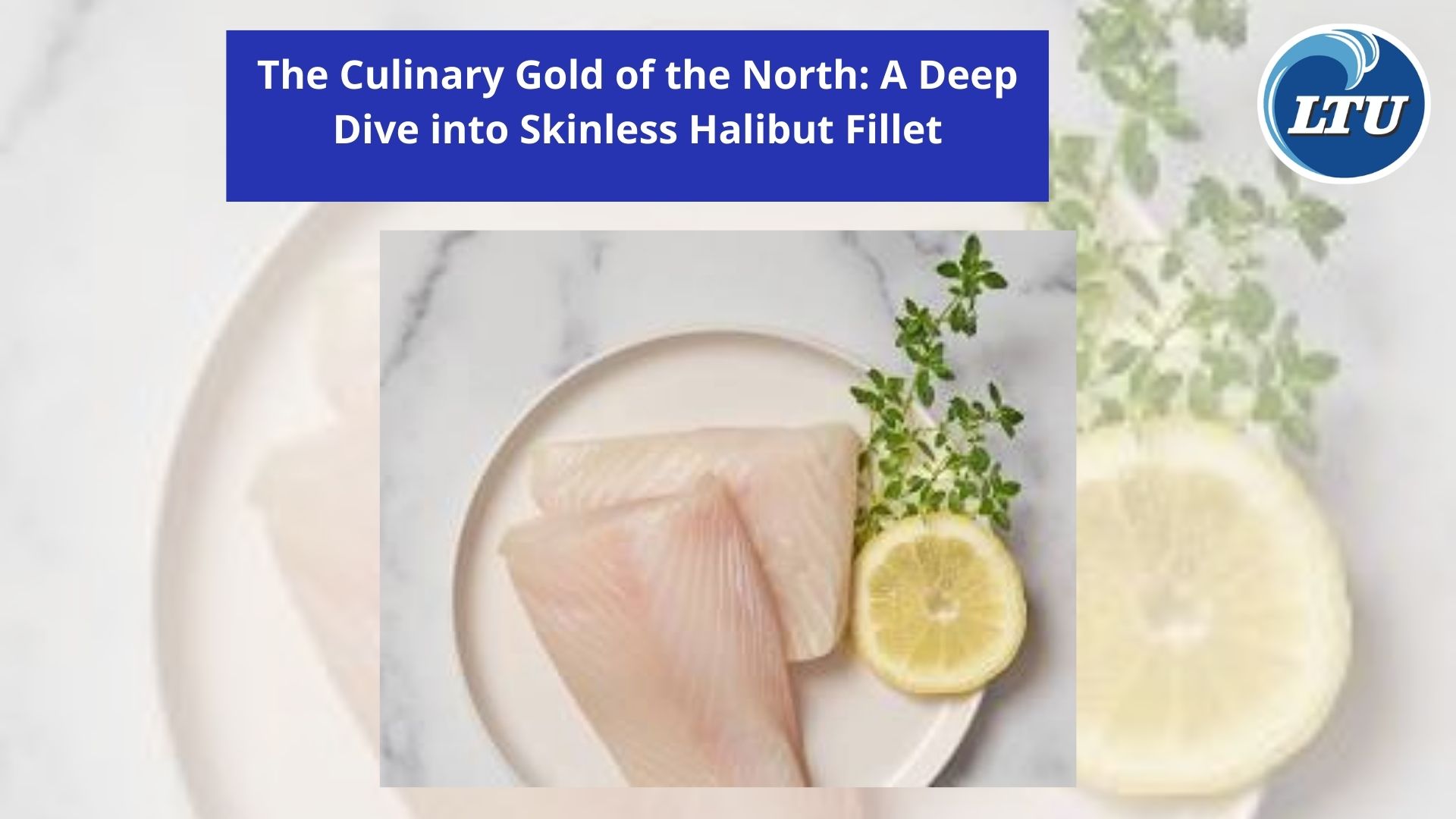
lauttimur.com When it comes to premium seafood, few names carry as much weight as Halibut. Often referred to as the "steak of the sea," halibut is a massive flatfish that inhabits the icy, deep waters of the North Pacific and North Atlantic oceans. While whole fish are impressive to look at, the Skinless Halibut Fillet is the true star of the kitchen. Prized by Michelin-star chefs and home cooks alike, this specific cut represents the pinnacle of versatility, texture, and clean flavor.
The Anatomy of a Premium Cut
Halibut are members of the flounder family, but they are giants. A "barn door" halibut can weigh over 200 kg. Because of their size, the muscle structure is dense and firm. When a halibut is processed into a skinless fillet, the dark, tough skin and the fatty "gray meat" layer just beneath it are removed.
What remains is a pristine, pearly-white piece of flesh. The absence of skin is particularly important for halibut because, unlike salmon or sea bass, halibut skin is thick and leathery, making it difficult to crisp up pleasantly. By opting for a skinless fillet, the cook can focus entirely on the delicate flakes of the meat.
Flavor Profile and Texture
The defining characteristic of a skinless halibut fillet is its mild, sweet flavor. It lacks the "fishy" oiliness found in mackerel or sardines, making it an ideal choice for those who are sensitive to strong seafood scents.
In terms of texture, halibut is unique. It is firm enough to hold its shape on a grill or in a pan, yet it breaks into large, succulent flakes when cooked perfectly. Because it is a lean fish, it has a "clean" mouthfeel. This leanness, however, means it requires a careful hand; without the protection of skin or high fat content, it can overcook quickly if not monitored.
Culinary Versatility: From Pan to Plate
The skinless halibut fillet is essentially a blank canvas for culinary creativity. Because the flavor is so subtle, it pairs beautifully with a wide range of ingredients:
- Pan-Searing: This is the most popular method. Without the skin, you can achieve a beautiful golden-brown crust on both sides of the fillet. Basting it with butter, lemon, and herbs like thyme or tarragon enhances the natural sweetness.
- Poaching: Gently simmering the fillet in a flavorful liquid—such as coconut milk with ginger or a white wine dashi—keeps the lean meat incredibly moist.
- Ceviche and Crudo: Due to its firm texture and clean taste, high-quality skinless halibut is often served raw or "cooked" in citrus acid.
- Fish and Chips: In the Pacific Northwest and Alaska, halibut is the "gold standard" for fish and chips. Its firm flakes hold up perfectly to heavy beer batters.
Nutritional Powerhouse
Beyond its taste, the skinless halibut fillet is an exceptionally healthy protein source. It is naturally low in calories and fat but packed with essential nutrients:
- High-Quality Protein: A standard 150g serving provides nearly 30g of protein, essential for muscle repair.
- Micronutrients: It is rich in Selenium, a powerful antioxidant, and Magnesium, which supports heart health and bone density.
- Omega-3 Fatty Acids: While leaner than salmon, halibut still provides a healthy dose of heart-healthy fats.
- Vitamin B12: Crucial for nerve function and energy levels.
Sourcing and Sustainability
Because halibut grows slowly and matures late, it is highly susceptible to overfishing. When purchasing skinless fillets, it is vital to look for MSC (Marine Stewardship Council) certification.
Wild-caught Alaskan Halibut is widely considered the most sustainable choice due to the state's rigorous management practices. Buying "skinless" also ensures you are paying for 100% edible meat, reducing waste and providing better value for a premium product.
The Chef's Secret: Don't Overcook It
The biggest mistake people make with skinless halibut is leaving it on the heat for too long. Since there is no skin to act as a heat shield, the internal temperature rises rapidly. Most chefs recommend pulling the fish off the heat when the internal temperature reaches 52°C to 54°C ($125°F$ to $130°F$). The residual heat will finish the cooking process, leaving the center moist and translucent rather than dry and chalky.
If youre interested in our Red / Scarlet Snapper Whole Round / Whole Gilled Gutted Scaled,Emperor Fillet Skinless,White Snapper Pearl Perch Whole Round / Whole Gilled Gutted Scaled please do not hesitate to contact us through email and/or Whatsapp