The Golden Queen of the Reef: A Comprehensive Guide to the John’s Snapper
By. Fajar - 06 Mar 2026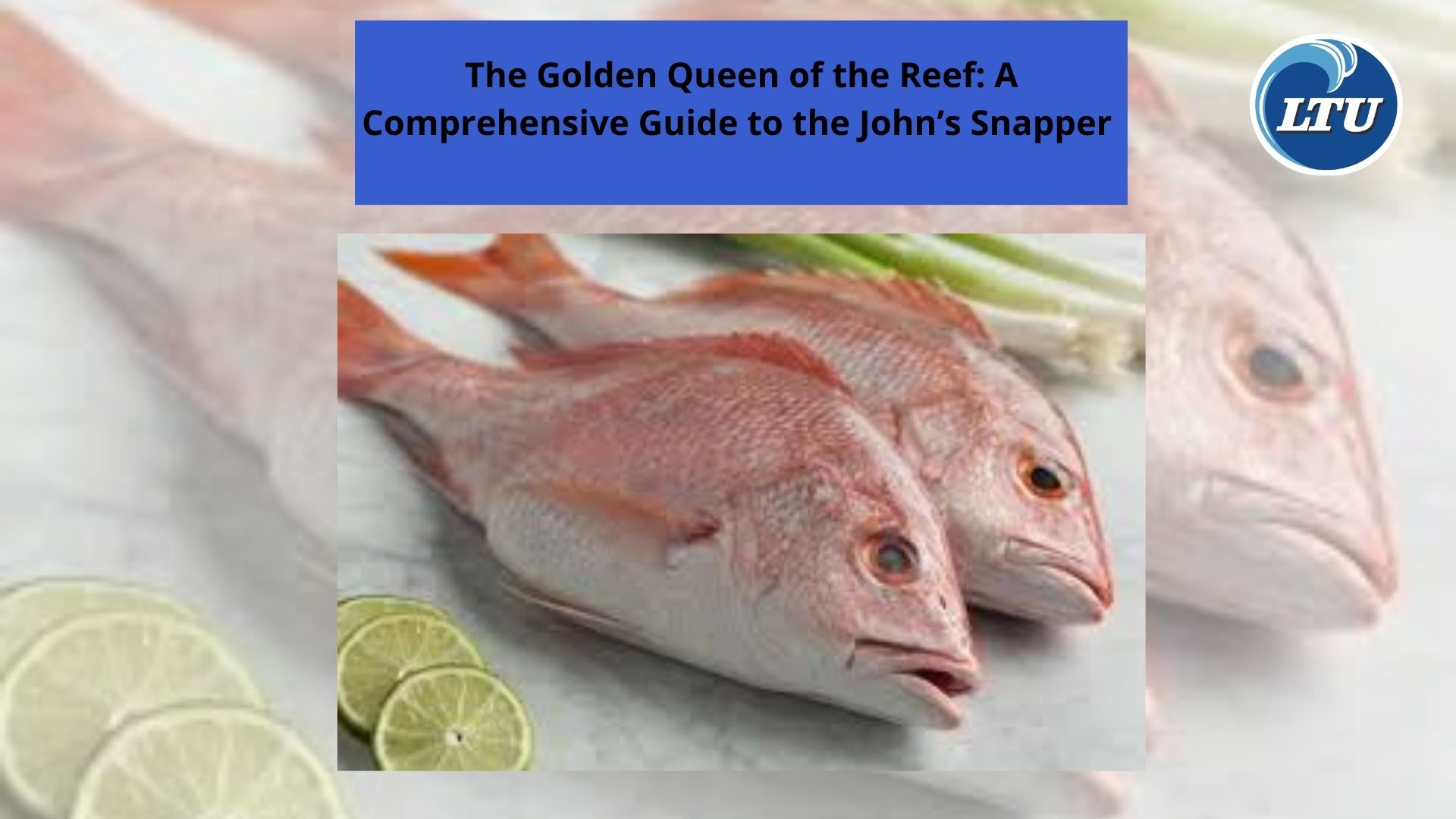
lauttimur.com Among the vast array of marine life inhabiting the Indo-Pacific waters, few species are as highly prized by both commercial fishers and culinary enthusiasts as the John’s Snapper, known locally in Indonesia and Malaysia as Ikan Jenaha. Scientifically classified as Lutjanus johnii, this member of the Lutjanidae family is often considered the "Golden Queen" of the reef due to its distinct shimmering scales and its status as a premium seafood delicacy.
In this article, we will explore the biological characteristics, habitat, economic importance, and culinary appeal of the Ikan Jenaha.
1. Biological Profile and Identification
The Ikan Jenaha is easily recognizable once you know what to look for. While it shares the robust, almond-shaped body common to many snappers, it possesses several unique identifiers:
- Coloration: Its body is typically a bronze or silvery-golden hue. Each scale often features a dark spot, which creates a series of horizontal golden-brown lines running along its flanks.
- The "Fingerprint" Mark: The most distinguishing feature of a young or sub-adult Jenaha is a large, dark spot located on the back, just below the dorsal fin. As the fish matures into a large adult, this spot may fade or disappear entirely.
- Size: They are formidable predators. An adult Jenaha can grow up to 90 cm in length, though they are most commonly caught at sizes between 40 cm and 60 cm.
- Lifespan: These are slow-growing, long-lived fish, which makes them particularly vulnerable to overfishing.
2. Habitat and Distribution
Ikan Jenaha is widely distributed across the tropical waters of the Indo-West Pacific, ranging from the East African coast to Fiji, and from Australia up to Southern Japan.
Unlike some snapper species that stay strictly within coral reefs, Jenaha are highly adaptable. They are commonly found in:
- Mangrove Estuaries: Juveniles often use the tangled roots of mangroves as nurseries, providing protection from larger predators and an abundance of small crustaceans to eat.
- Deep Reefs and Rocky Bottoms: Adults typically migrate to deeper offshore waters, often congregating around coral reefs, shipwrecks, or rocky substrates at depths of 10 to 80 meters.
- Turbid Waters: Interestingly, Jenaha are more tolerant of murky or "turbid" water compared to many other red snappers, which allows them to thrive near river mouths.
3. Culinary Excellence: Why Chefs Love Jenaha
In the world of gastronomy, Ikan Jenaha is frequently ranked alongside Pomfret and Grouper as a top-tier fish. Its popularity stems from its exceptional meat quality:
- Texture: The flesh is firm, moist, and flakes beautifully into large, white chunks. It holds its shape well during various cooking methods.
- Flavor: It has a mild, sweet, and "clean" oceanic flavor. Because it isn't overly "fishy," it serves as an excellent canvas for a variety of spices and sauces.
- Nutritional Value: Like most white fish, Jenaha is high in lean protein and rich in essential minerals like Selenium, Magnesium, and Potassium, as well as Omega-3 fatty acids which support heart health.
Popular Preparations
|
Method |
Description |
|
Steaming (Teochew Style) |
Prepared with ginger, scallions, and soy sauce to preserve the delicate sweetness of the meat. |
|
Fish Head Curry |
In Southeast Asia, the large, gelatinous head of the Jenaha is the "gold standard" for spicy curries. |
|
Grilling (Ikan Bakar) |
Marinated in sambal or kecap manis and grilled over charcoal for a smoky finish. |
4. Economic Importance and Sustainability
Because of its high market value, Ikan Jenaha is a significant driver of local economies. In traditional fish markets, it often commands a price 20-30% higher than ordinary snapper species.
However, its high value comes with risks. Because Jenaha are slow to reach sexual maturity and tend to congregate in specific areas to spawn, they are easily targeted by commercial trawlers and local line-fishers alike. Sustainable management is crucial to ensure that the "Golden Queen" doesn't disappear from our reefs.
- Aquaculture Potential: There is a growing movement toward farming Jenaha in sea cages. Aquaculture helps meet the high demand without further depleting wild stocks, though wild-caught Jenaha is still considered superior in flavor by purists.
5. Angling for Jenaha: The Sport
For recreational anglers, catching a Jenaha is a badge of honor. They are known as "dirty fighters"—once hooked, a Jenaha will immediately dive for the nearest rock or reef structure to snap the fishing line. Anglers usually use live prawns or small baitfish to entice them, often fishing at night or during the changing tides when the fish are most active.
If youre interested in our Red / Scarlet Snapper Whole Round / Whole Gilled Gutted Scaled,Emperor Fillet Skinless,White Snapper Pearl Perch Whole Round / Whole Gilled Gutted Scaled please do not hesitate to contact us through email and/or Whatsapp