Ensuring Peak Freshness: A Guide to Fish Hygiene in Processing Plants
By. Fajar - 06 Mar 2026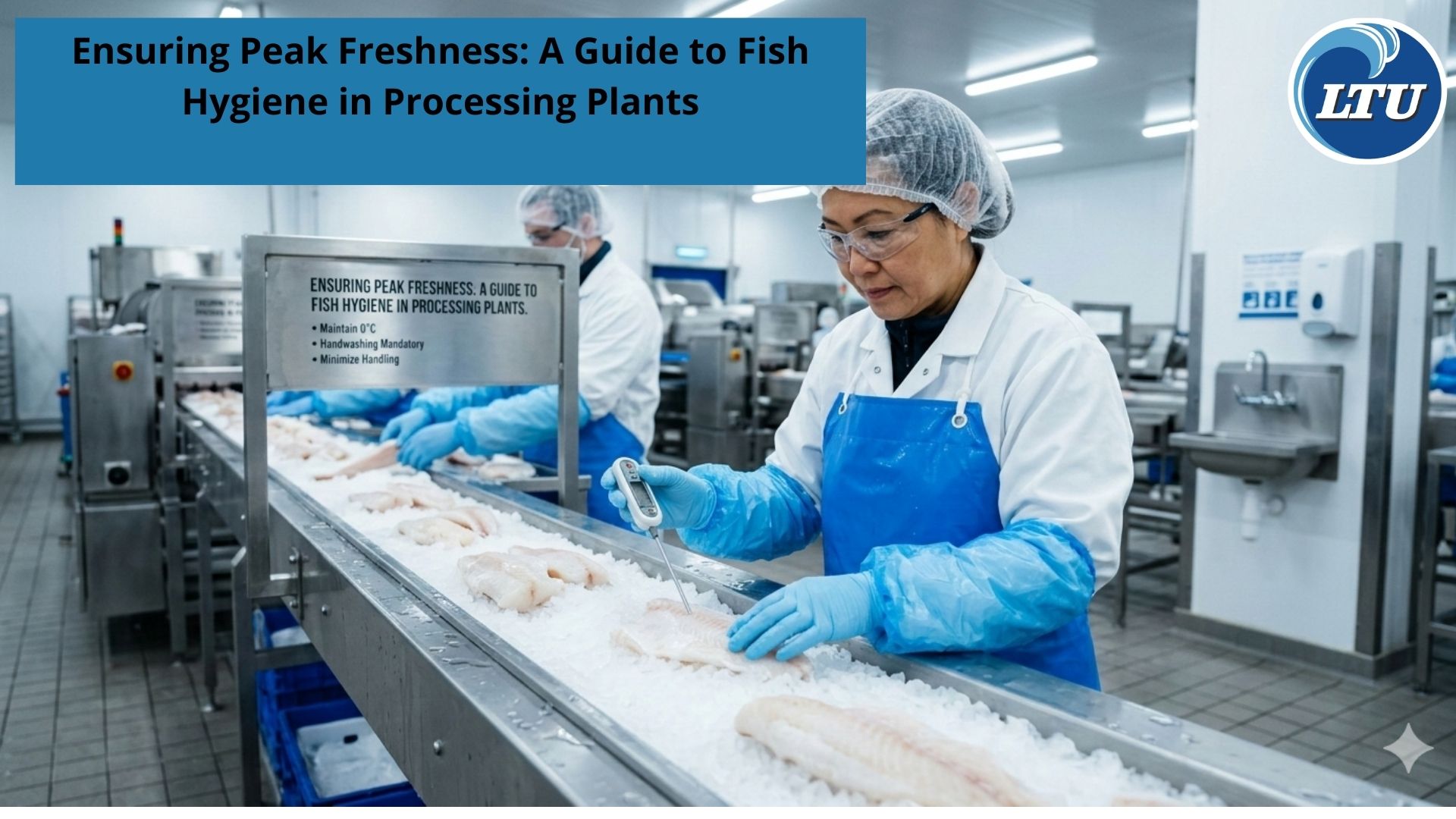
lauttimur.com The journey of a fish from the cold depths of the ocean to a consumer’s dinner plate is a race against time and biology. In a fish processing plant, the stakes are incredibly high. Unlike land-based proteins, fish tissue is highly perishable due to its high water content, neutral pH, and the presence of psychrophilic (cold-loving) bacteria.
Maintaining hygiene isn't just about passing inspections; it’s about food safety, shelf-life extension, and brand reputation. Here is a comprehensive guide on how to maintain world-class hygiene standards in a fish factory.
1. The Cold Chain: Temperature is King
The single most important factor in fish hygiene is temperature control. Bacteria that cause spoilage and foodborne illnesses thrive at room temperature.
- Reception: Upon arrival, the internal temperature of the fish must be checked immediately. It should be as close to $0°C$ (32°F) as possible.
- Continuous Chilling: Throughout the filleting, skinning, and packaging process, the fish should remain chilled. Many modern plants use "slurry ice" (a mixture of ice and seawater) because it surrounds the fish entirely, cooling it faster than block ice without damaging the skin.
- Ambient Control: The processing room itself should be kept at a maximum of $10°C$ to $12°C$ to prevent condensation and slow down microbial growth on surfaces.
2. Water Quality and Management
Water is used in almost every step—from washing raw fish to cleaning the floors. However, water can also be a primary source of contamination.
- Potability: Only potable (drinking-grade) water or clean seawater should ever touch the product.
- Ice Hygiene: The ice machines themselves are often overlooked. They must be cleaned and descaled regularly to prevent the buildup of Listeria or Salmonella.
- Drainage: Processing floors must be sloped toward high-capacity drains to prevent "standing water." Stagnant puddles are breeding grounds for bacteria and can easily splash onto equipment.
3. Personnel Hygiene: The Human Element
Even with the best machinery, humans are often the weakest link in the hygiene chain. Strict protocols are mandatory:
- Protective Gear: Workers must wear clean, light-colored waterproof aprons, hairnets, and gloves. Light colors are preferred because they show dirt easily, signaling when it's time for a change.
- Handwashing Stations: These should be "no-touch" (sensor or foot-pedal operated) and placed at every entrance to the processing floor.
- Health Monitoring: Employees with open wounds, respiratory infections, or digestive issues must be reassigned to non-food handling roles immediately.
4. Equipment Design and Sanitation (SSOPs)
Sanitation Standard Operating Procedures (SSOPs) are the backbone of a clean plant. The equipment itself must be "hygienically designed"—meaning it is made of non-corrosive materials like 316-grade stainless steel and lacks "dead spots" where fish scraps can hide.
|
Stage |
Action |
Frequency |
|
Pre-op |
Visual inspection and ATP bioluminescence testing. |
Every Shift |
|
Operational |
Removing fish waste and rinsing belts. |
Every 2 Hours |
|
Post-op |
Deep clean: Disassemble, foam, scrub, and sanitize. |
Daily |
Pro-Tip: Use color-coded cleaning tools (e.g., blue for food-contact surfaces, red for floors) to prevent cross-contamination.
5. Managing Cross-Contamination
In a fish plant, "clean" and "dirty" zones must be strictly separated.
- Raw vs. Processed: The area where whole fish are gutted (the "dirty" zone) should be physically partitioned from the area where fillets are sliced and packed (the "high-care" zone).
- Workflow: The product should move in one direction. You never want a finished fillet traveling back through the area where guts and scales are being removed.
6. Pest Control and Waste Management
Fish offal (heads, guts, and bones) attracts pests like flies, rodents, and birds.
- Rapid Removal: Waste should be flumed or conveyed out of the processing room instantly.
- Storage: Waste bins should be leak-proof, covered, and stored in a chilled area away from the main production line until they are collected.
Summary of Key Parameters
To keep fish safe, remember the "Three Cs":
- Keep it Clean: Constant sanitation of hands and tools.
- Keep it Cold: Maintain the ice chain from sea to shelf.
- Keep it Covered: Protect fish from physical and airborne contaminants.
Maintaining hygiene in a fish factory is a relentless task that requires a culture of discipline. When every employee understands that a single slip-up can lead to a massive recall, the plant becomes a fortress of food safety.
If youre interested in our Red / Scarlet Snapper Whole Round / Whole Gilled Gutted Scaled,Emperor Fillet Skinless,White Snapper Pearl Perch Whole Round / Whole Gilled Gutted Scaled please do not hesitate to contact us through email and/or Whatsapp