The Gilded Opportunity: The Economic and Strategic Value of Fish Roe in Global Fisheries
By. Fajar - 04 Mar 2026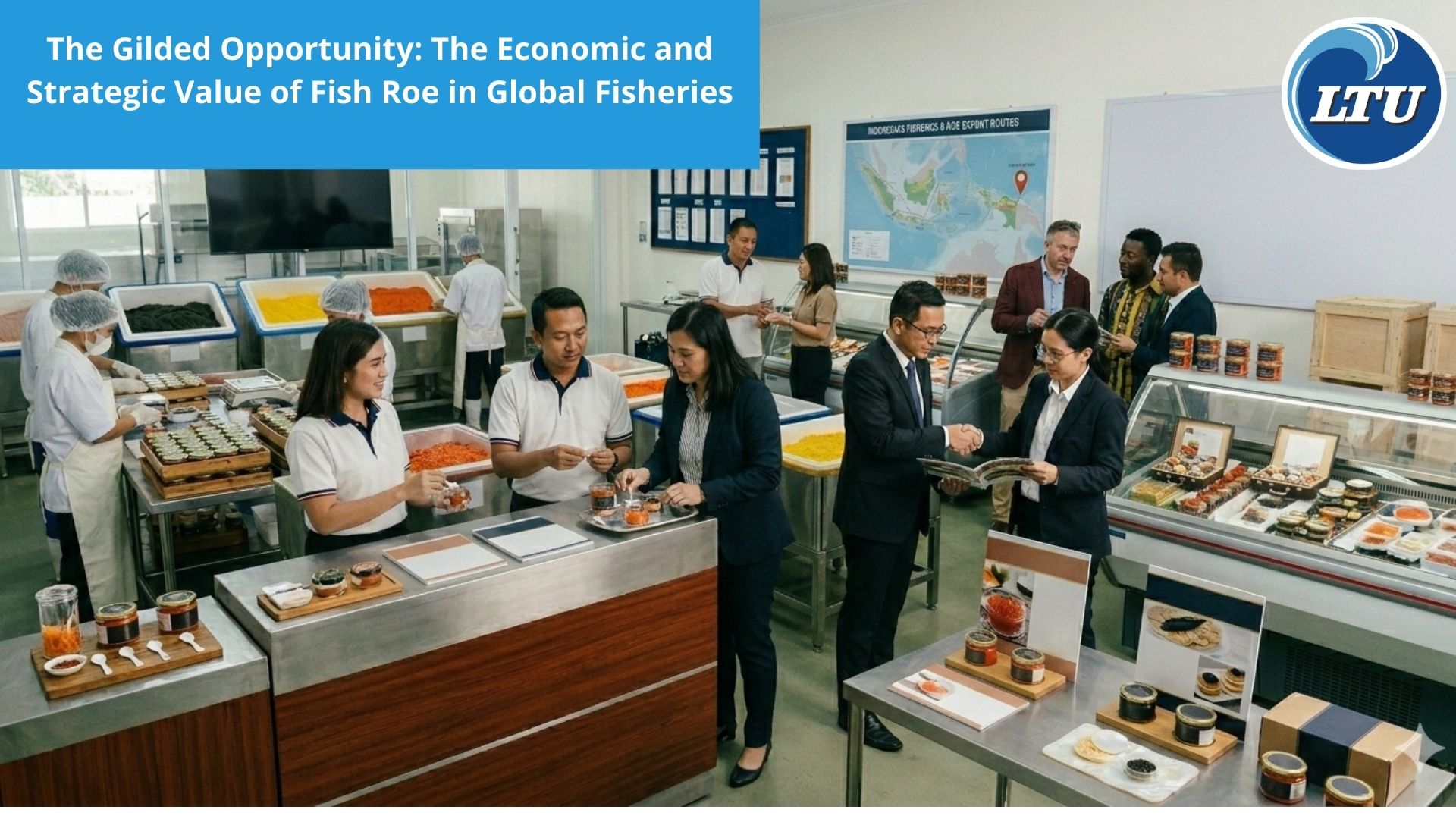
lauttimur.com In the modern fisheries landscape, the difference between a struggling enterprise and a thriving industrial leader often lies in how effectively a company utilizes its by-products. For decades, many commercial fishing operations treated fish eggs as a secondary concern or even a waste product. Today, however, fish roe—often referred to as "ocean gold"—has become one of the most valuable commodities in the global food market. Mastering the art of selling fish roe is no longer just an "extra" revenue stream; it is a strategic necessity that defines the profitability and sustainability of a modern fisheries business.
1. Maximizing Economic Yield per Harvest
The primary value of selling fish roe lies in the dramatic increase in the Economic Yield of a single catch. In traditional fishing, the value is concentrated in the fillet. However, by properly harvesting and processing roe, a fishery can increase the total market value of a fish by $20\%$ to $50\%$, depending on the species.
For instance, while salmon meat has a stable market price, high-quality Ikura (Salmon Roe) can command premium prices in Japanese and luxury European markets. By treating the roe as a primary product rather than a byproduct, companies can offset the rising costs of fuel, labor, and logistics that plague the industry today.
2. Market Diversification and Risk Mitigation
The fisheries industry is notoriously volatile. Fish prices fluctuate based on seasonal supply, changing consumer tastes, and geopolitical trade barriers. Integrating a robust fish roe sales division provides a critical layer of market diversification.
- B2B Industrial Markets: Species like Pollock or Cod roe are staples in the food processing industry, used for pastes and spreads.
- The Luxury Segment: Sturgeon and Salmon roe cater to high-end hospitality and "fine dining," a sector that remains resilient even during economic downturns.
- The Health & Supplement Sector: Low-grade roe can be processed into fish oil or protein powders rich in Omega-3, ensuring that almost no part of the harvest is wasted.
3. Sustainability and the "Zero Waste" Philosophy
Modern consumers, particularly Gen Z and Millennials, are increasingly motivated by ethical consumption. A fishery that sells its roe effectively is demonstrating a "nose-to-tail" (or "snout-to-fin") approach to harvesting.
Selling fish roe is a tangible proof of sustainability. It shows that the fishery is extracting the maximum nutritional value from every life taken from the ocean. This efficiency not only appeals to eco-conscious retailers like Whole Foods or Marks & Spencer but also helps companies meet ESG (Environmental, Social, and Governance) targets, which are increasingly required by investors and international banks.
4. Branding and International Prestige
There is a psychological "halo effect" associated with fish roe. When a brand is known for producing high-quality, translucent, and firm roe, that reputation for quality bleeds over into their other seafood products.
|
Species |
Roe Product |
Market Perception |
|
Sturgeon |
Caviar |
The pinnacle of luxury and exclusivity. |
|
Flying Fish |
Tobiko |
Essential, high-demand component of global sushi culture. |
|
Grey Mullet |
Bottarga |
A "gourmet" artisanal product with deep cultural roots. |
By successfully entering these markets, a fishery elevates itself from a "commodity supplier" to a "gourmet producer." This shift allows for higher profit margins and stronger bargaining power with international distributors.
5. The Value of Technological Sophistication
Selling roe effectively requires an investment in Cold Chain Technology and Microbiology. Because roe is more sensitive to temperature and bacteria than muscle meat, a company that masters roe sales has, by default, mastered the highest levels of food safety.
This technological "flexing" builds immense trust with global import-export authorities. If a facility is certified to export sensitive Sturgeon or Salmon roe to the EU or the US, it signals to all other buyers that the facility’s hygiene standards are world-class.
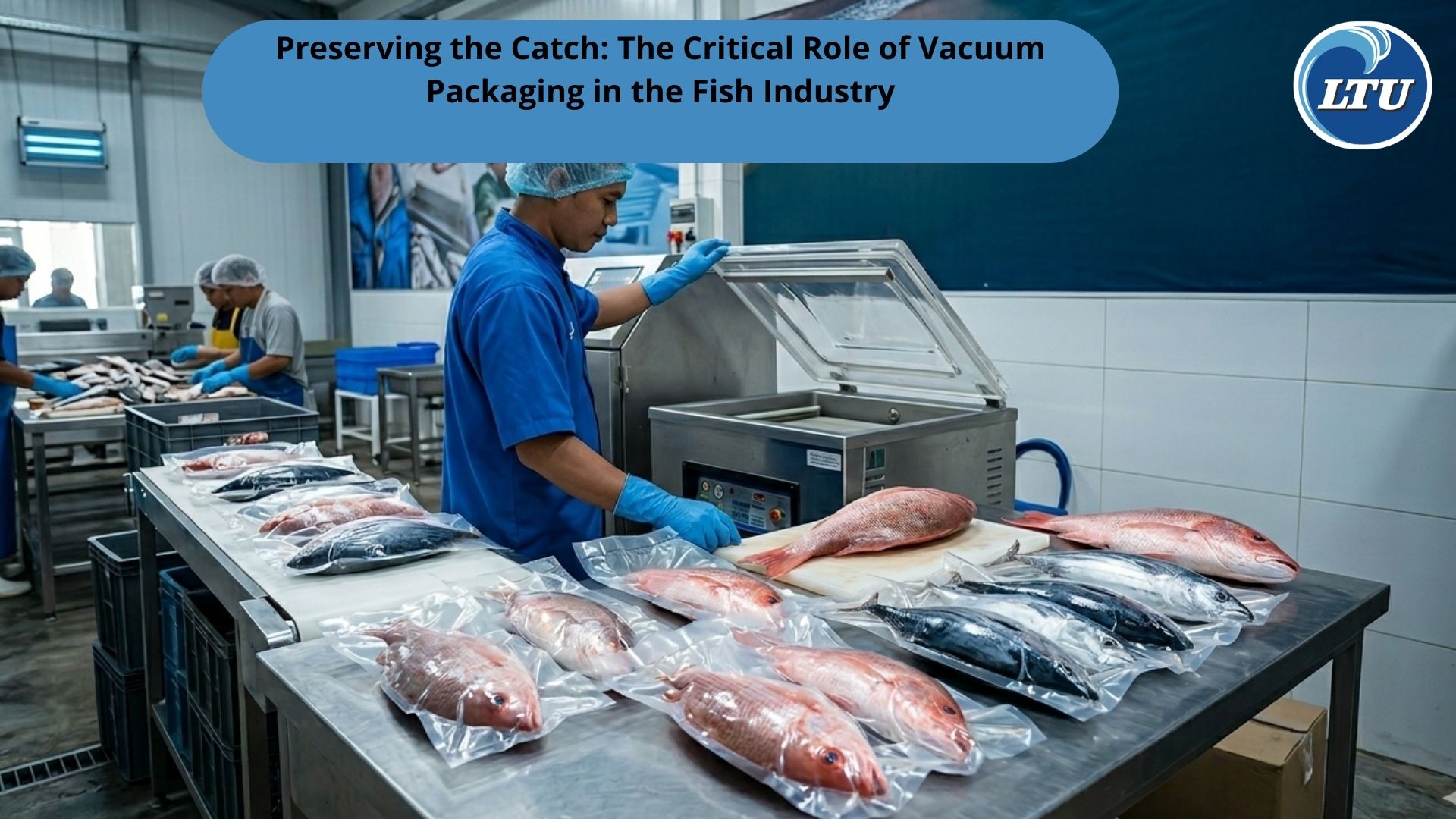
If youre interested in our Red / Scarlet Snapper Whole Round / Whole Gilled Gutted Scaled,Emperor Fillet Skinless,White Snapper Pearl Perch Whole Round / Whole Gilled Gutted Scaled please do not hesitate to contact us through email and/or Whatsapp
 Exports.jpg)