Guarding the Plate: Ensuring Consumer Safety in the Global Fish Industry
By. Fajar - 23 Feb 2026
lauttimurutama.com The global seafood industry is a marvel of modern logistics, connecting remote coastal villages to bustling metropolitan dinner tables. However, this complexity brings significant challenges to consumer safety. As fish remains one of the most traded food commodities globally, ensuring that every fillet or crustacean is safe, authentic, and sustainably sourced is no longer just a regulatory requirement—it is a moral and economic imperative.
The Multi-Faceted Risks of Seafood Consumption
To understand how to guarantee safety, we must first recognize the threats. The risks associated with the fish industry generally fall into three categories:
- Biological Hazards: Fish are highly perishable. Pathogens like Salmonella, Listeria, and various vibrios can thrive if the cold chain is broken. Furthermore, parasites and naturally occurring toxins (like ciguatera) pose invisible threats.
- Chemical Contaminants: Due to industrial runoff and ocean pollution, heavy metals such as mercury, lead, and cadmium can bioaccumulate in larger predatory fish. Additionally, the misuse of antibiotics in aquaculture can lead to the presence of drug residues in the final product.
- Fraud and Mislabeling: Economic-motivated adultery, such as swapping expensive snapper for cheaper tilapia, or "soaking" fish in phosphates to increase water weight, deceives consumers and can hide potential allergens.
The Pillars of Safety: From Catch to Kitchen
Ensuring safety requires a "Sea-to-Fork" approach. This strategy relies on several critical pillars that function as a safety net for the end consumer.
1. Traceability through Technology
The days of paper logs are fading. Modern safety is built on Digital Traceability. Using Blockchain technology and RFID tagging, every batch of fish can be assigned a unique digital identity. This allows regulators and consumers to scan a QR code and see exactly where the fish was caught, which vessel harvested it, and how long it sat in a processing facility. If an outbreak occurs, digital records allow for "surgical recalls," removing only the tainted batch instead of discarding tons of safe food.
2. Stringent Cold Chain Management
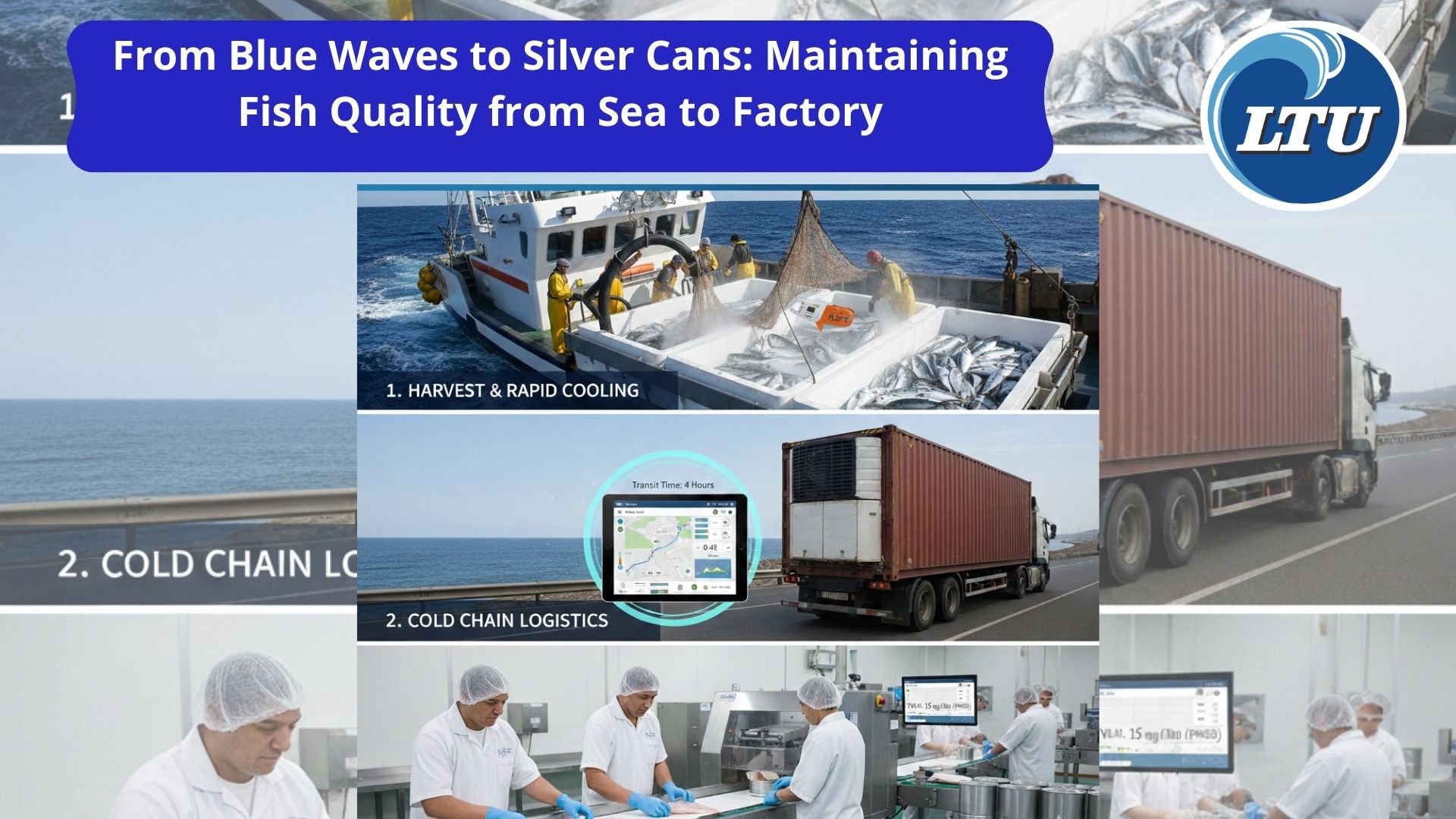
Temperature is the greatest enemy of seafood safety. The "Cold Chain" must remain unbroken from the moment the fish leaves the water. This involves:
- Immediate Icing: Rapidly lowering the core temperature of the fish on the vessel.
- IoT Monitoring: Smart sensors in shipping containers that provide real-time alerts if the temperature rises above a certain threshold (usually $0^\circ\text{C}$ to $4^\circ\text{C}$ for fresh fish).
- HACCP Compliance: The Hazard Analysis and Critical Control Points (HACCP) system is the gold standard for identifying where contamination might occur and implementing preventative measures.
3. Rigorous Testing and Regulation
Government bodies, such as the FDA in the United States or the EFSA in Europe, set strict Maximum Residue Limits (MRLs) for chemicals and metals. However, the industry must go beyond mere compliance. Third-party certifications like the Marine Stewardship Council (MSC) or the Best Aquaculture Practices (BAP) provide an extra layer of verification, ensuring that the fish was raised or caught under monitored, hygienic conditions.
The Role of Sustainable Aquaculture
As wild fish stocks dwindle, aquaculture (fish farming) now provides roughly half of the world's seafood. While farming offers more control over the environment, it introduces risks related to water quality and feed.
To guarantee consumer safety in aquaculture, farms must prioritize water filtration systems and high-quality, mercury-free feed. Reducing stocking density—the number of fish in a cage—is also vital, as it lowers stress and the likelihood of disease, thereby eliminating the need for antibiotics that could eventually harm human health through antimicrobial resistance.
Empowering the Consumer
While the industry bears the brunt of the responsibility, safety is a shared journey. Consumers should be educated on how to identify fresh seafood:
- The Senses: Fresh fish should smell like the ocean, not "fishy." Eyes should be clear and bulging, not cloudy or sunken.
- Labels: Look for recognized certification seals which indicate the product has undergone rigorous auditing.
- Handling: Consumers must maintain the cold chain by using insulated bags during transport and cooking fish to an internal temperature of at least 63°C (145°F) to kill any remaining pathogens.
If youre interested in our Red / Scarlet Snapper Whole Round / Whole Gilled Gutted Scaled,Emperor Fillet Skinless,White Snapper Pearl Perch Whole Round / Whole Gilled Gutted Scaled please do not hesitate to contact us through email and/or Whatsapp