Small but Mighty: The Extraordinary World of Anchovies
By. Fajar - 13 Feb 2026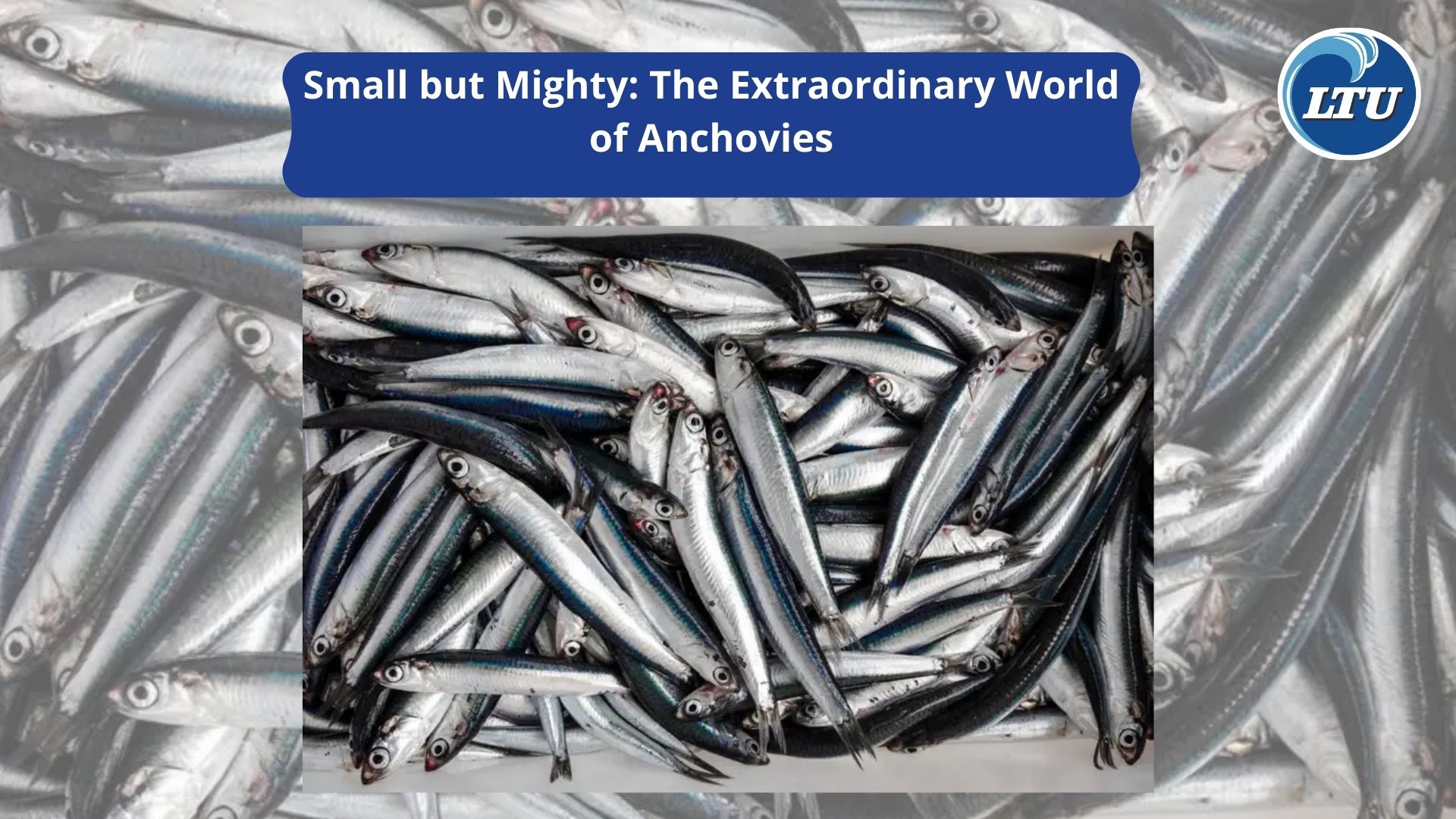
lauttimurutama.com In the grand hierarchy of the ocean, the Anchovy (known in Indonesia as Ikan Teri) often goes overlooked due to its diminutive size. Yet, these silver streaks of lightning are the unsung heroes of the marine world. From the bustling traditional markets of Southeast Asia to the high-end pizzerias of Naples, the anchovy is a global powerhouse that punches far above its weight class in terms of ecological importance, nutritional value, and culinary impact.
The Biology of a Schooling Giant
Anchovies belong to the family Engraulidae. They are small, green-backed forage fish with blue reflections, characterized by a large mouth that extends well behind the eyes. Most species rarely exceed 15 centimeters in length, but what they lack in individual size, they make up for in sheer numbers.
Anchovies are "filter feeders." They swim with their mouths wide open, straining plankton from the water. This simple act makes them a vital link in the ocean's food chain: they convert microscopic energy (plankton) into a dense, oily protein source that sustains larger predators like tuna, dolphins, whales, and seabirds. Without the humble teri, the marine ecosystem as we know it would likely collapse.
A Global Culinary Icon
While many fish are celebrated for their meatiness, the anchovy is celebrated for its umami. When cured in salt, these fish undergo a biochemical transformation. Enzymes break down the proteins into amino acids, creating a savory, "fifth-taste" explosion that chefs use as a "secret weapon" to deepen the flavor of sauces, stews, and dressings.
1. The Southeast Asian Staple
In countries like Indonesia, Malaysia, and Vietnam, Ikan Teri is a cornerstone of the daily diet.
- Nasi Lemak & Nasi Goreng: Here, dried anchovies (Teri Medan or Teri Jengki) are fried until shatteringly crisp, providing a salty contrast to fragrant rice.
- Sambal Teri: A spicy relish where the fish is simmered in chili paste, creating a perfect balance of heat and salt.
2. The Mediterranean Secret
In Europe, particularly in Italy and Spain, anchovies are treated with gourmet reverence. The Alici of the Amalfi Coast are often served fresh, marinated in lemon juice and olive oil (alici marinate), or salt-cured to create the base for the world-famous Caesar salad dressing and Pasta Puttanesca.
Nutritional Powerhouse: Tiny Fish, Big Benefits
If you are looking for a superfood, look no further than the anchovy. Because they are low on the food chain, they have a significantly lower risk of accumulating heavy metals like mercury compared to larger fish like swordfish or tuna.
Key Nutritional Highlights:
- Omega-3 Fatty Acids: Crucial for heart health and reducing inflammation.
- Calcium and Phosphorus: Since small anchovies are often eaten whole (including the bones), they provide a massive boost to bone density.
- Protein: A highly efficient source of lean protein.
- Selenium: A powerful antioxidant that supports thyroid function and the immune system.
The Economy of the "Silver Harvest"
The anchovy industry is a multi-billion dollar sector. The Peruvian Anchoveta fishery is arguably the largest single-species fishery in the world. While a portion of the catch goes to human consumption, a significant amount is processed into fishmeal and fish oil.
In Indonesia, the Ikan Teri trade supports thousands of small-scale fishermen. The sight of bagan (floating fishing platforms) illuminated at night is a common feature of the Indonesian coastline. These lights attract the schools of anchovies, which are then scooped up and brought to shore to be sun-dried, a traditional preservation method that has lasted for centuries.
Sustainability and Challenges
Because anchovies grow fast and mature early, they are generally more resilient to fishing pressure than larger species. However, they are highly sensitive to climate changes, such as El Niño events, which can cause water temperatures to rise and plankton levels to drop, leading to massive population crashes.
Responsible management of anchovy stocks is essential. When we overfish the "forage base," we aren't just losing the anchovies; we are starving the whales, the seals, and the larger commercial fish that depend on them.
If youre interested in our Red / Scarlet Snapper Whole Round / Whole Gilled Gutted Scaled,Emperor Fillet Skinless,White Snapper Pearl Perch Whole Round / Whole Gilled Gutted Scaled please do not hesitate to contact us through email and/or Whatsapp
.jpg)

.jpg)
