The Art of Mastering Snapper Fillets: A Culinary Guide to Excellence
By. Fajar - 12 Feb 2026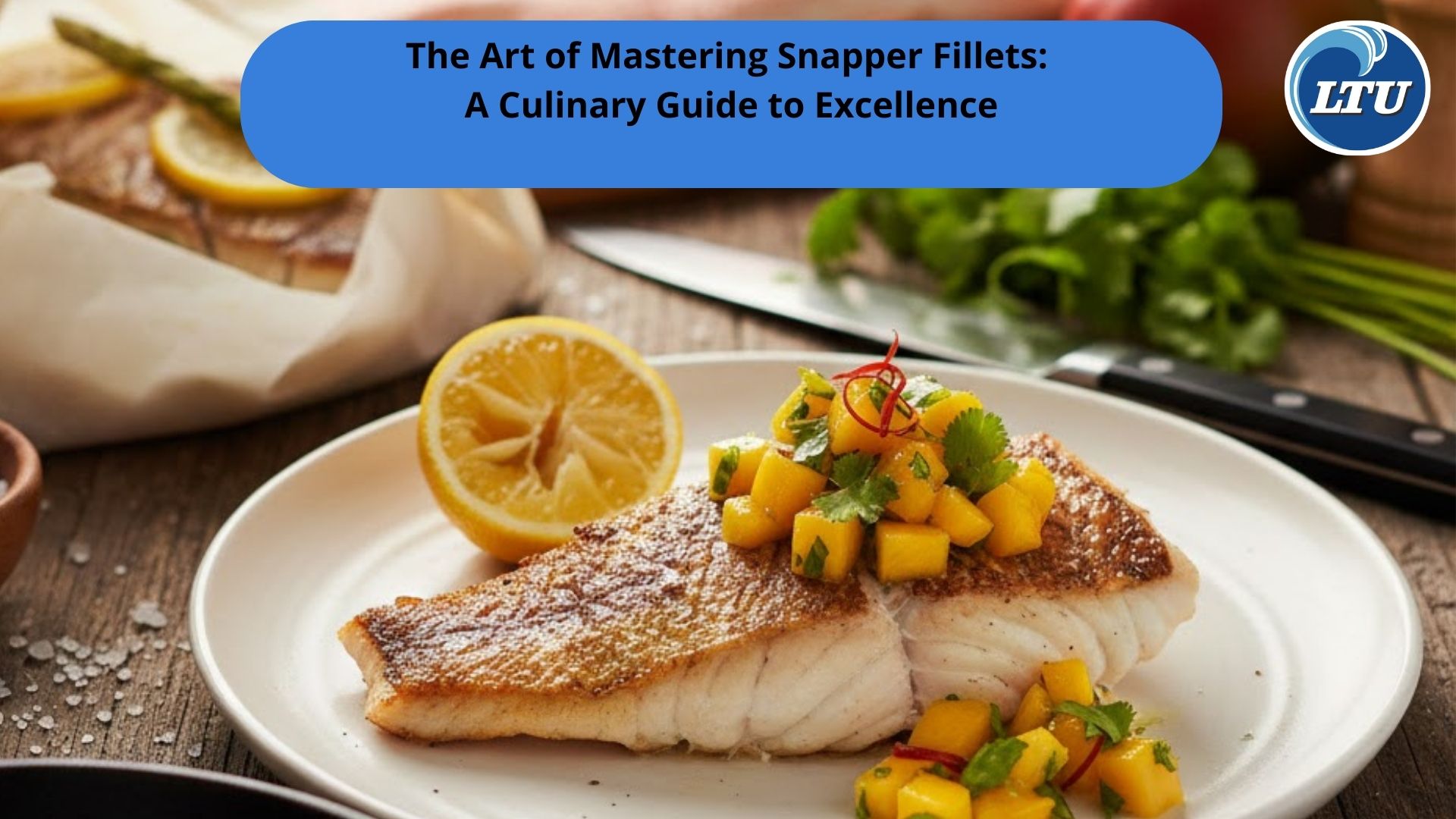
The Art of Mastering Snapper Fillets: A Culinary Guide to Excellence
Red Snapper, or ikan kakap, is widely regarded as the crown jewel of white fish. Whether you are dining at a high-end seafood restaurant or cooking in your own kitchen, a well-prepared snapper fillet is a testament to culinary balance. Its naturally sweet, nutty flavor and firm, lean texture make it incredibly versatile, yet its delicacy requires a certain level of finesse to perfect.
If you have a fresh snapper fillet on your cutting board, you are holding the potential for a world-class meal. Here is a comprehensive guide on how to choose, prepare, and cook snapper fillets to professional standards.
Selecting the Perfect Fillet
The journey to a great dish begins at the fishmonger. When buying snapper fillets, look for these three indicators of quality:
- The Color: The flesh should be translucent with a slight pinkish or white hue. If the meat looks dull or yellowish, it is likely past its prime.
- The Texture: Press the flesh gently. It should be firm and spring back immediately. Mushy texture is a red flag.
- The Scent: Fresh snapper should smell like the clean ocean, not "fishy." A strong ammonia scent means the fish is no longer fresh.
Preparation: The Secret is in the Moisture
The most common mistake home cooks make is taking the fish straight from the packaging to the pan. To achieve that coveted restaurant-quality sear, you must dry the fish.
Use a paper towel to pat both sides of the fillet until they are bone-dry. Moisture is the enemy of the "Maillard reaction"—the chemical process that creates a golden-brown crust. If the fish is wet, it will steam rather than sear, resulting in a rubbery texture.
Once dry, season simply. A sprinkle of sea salt and freshly cracked black pepper is often enough, as the snapper’s natural flavor is the star of the show.
Essential Cooking Techniques
1. The Classic Pan-Sear (Crispy Skin Method)
This is arguably the best way to enjoy snapper. If your fillet still has the skin on, this method will turn it into a salty, crispy "chip" that contrasts beautifully with the tender meat.
- Heat the Pan: Use a stainless steel or cast-iron skillet. Heat a tablespoon of high-smoke-point oil (like avocado or grapeseed oil) until it shimmers.
- The Press: Place the fillet skin-side down. Use a spatula to press it down firmly for the first 30 seconds. This prevents the skin from curling up.
- The Wait: Let it cook undisturbed for about 4–5 minutes. You will see the edges turn opaque.
- The Flip: Flip gently and cook for only 1–2 minutes more. Finish with a knob of butter and a squeeze of lemon.
2. Parchment Paper Baking (En Papillote)
If you prefer a healthy, aromatic approach, baking the snapper in a parchment paper pouch is foolproof. This method traps steam, ensuring the fish stays incredibly moist.
Place the fillet on a sheet of parchment paper. Add thin slices of lemon, ginger, a splash of white wine (or broth), and some bok choy or asparagus. Fold the paper into a sealed pouch and bake at 200°C for about 12–15 minutes. When you cut the pouch open at the table, the aroma is spectacular.
3. Deep-Fried Beer Batter
For a more indulgent "Fish and Chips" style, snapper’s firm texture holds up exceptionally well to deep frying. A light tempura or beer batter provides a crunchy shell that protects the delicate flakes inside.
Flavor Pairings for Snapper
Snapper is a "friendly" fish that pairs well with various flavor profiles:
- Mediterranean: Olive oil, garlic, cherry tomatoes, capers, and olives.
- Southeast Asian: Ginger, lemongrass, chili, soy sauce, and cilantro.
- Tropical: Mango salsa with lime juice and red onion.
Common Pitfalls to Avoid
The biggest danger when cooking snapper is overcooking. Because it is a lean fish, it can go from juicy to dry in a matter of sixty seconds. The internal temperature should reach about 63°C. If you don't have a thermometer, look for the "flake test"—if the meat separates easily with a fork but still has a slight translucency in the very center, it’s perfect.
If youre interested in our The Art of Mastering Snapper Fillets: A Culinary Guide to Excellence please do not hesitate to contact us through email and/or Whatsapp
.jpg)

.jpg)
.jpg)

