The Crimson Jewel of the Reef: A Comprehensive Guide to Snapper
By. Fajar - 05 Feb 2026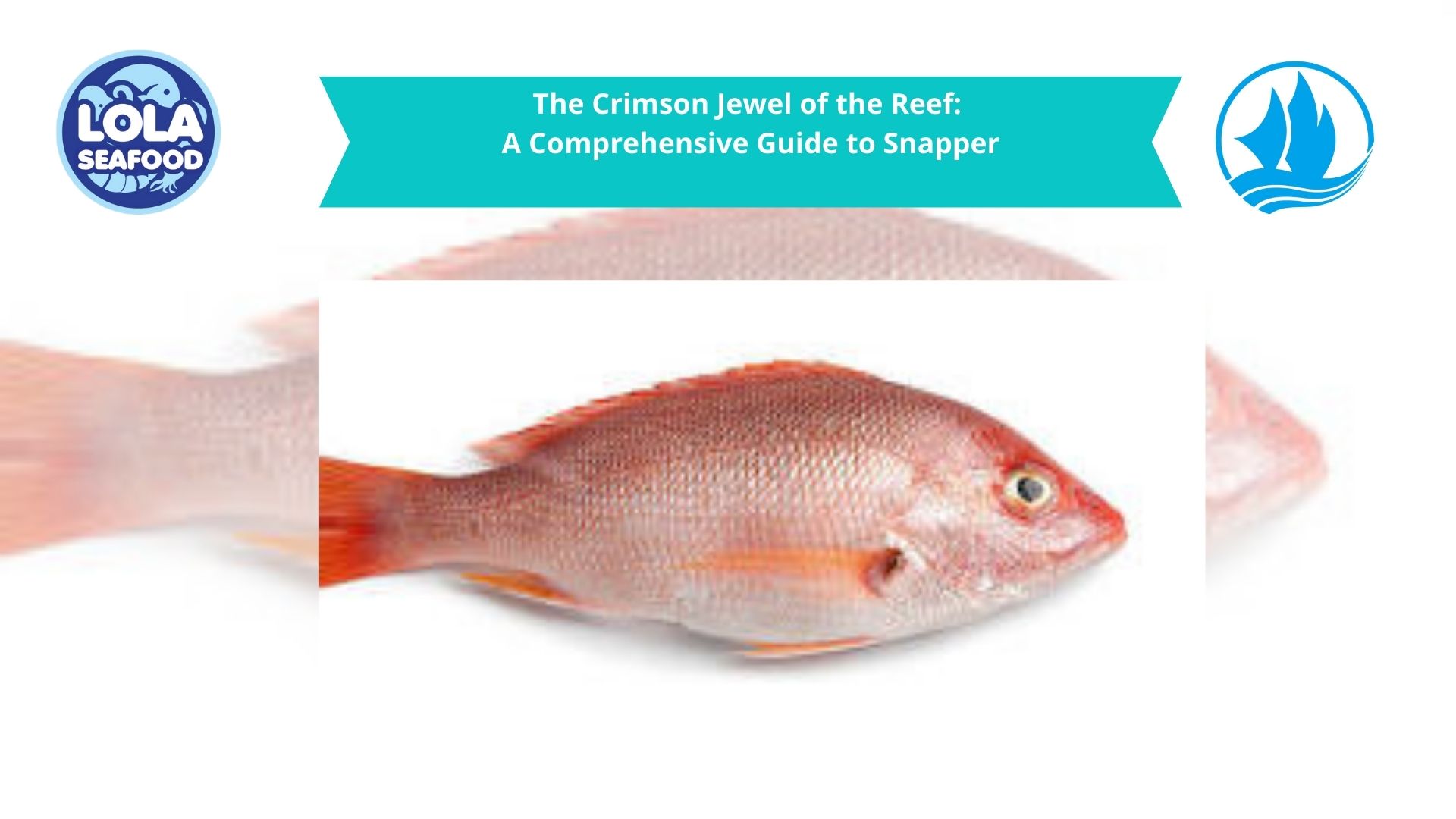
The Crimson Jewel of the Reef: A Comprehensive Guide to Snapper
In the diverse world of marine life, few fish are as iconic, versatile, and highly regarded as the Snapper. Belonging to the family Lutjanidae, snappers are found in the tropical and subtropical waters of all the world's major oceans. Whether you are a marine biologist studying reef ecosystems, a recreational angler seeking a legendary fight, or a gourmet chef looking for the perfect fillet, the snapper is a species that commands universal respect.
1. A Global Family: Understanding the Species
The term "snapper" actually describes a large family of over 100 different species. While they vary in size and color, they share a distinctive profile: a sloped head, a large mouth with prominent canine-like teeth (from which they get the name "snapper"), and a robust, muscular body.
Among the most famous members of this family are:
- Red Snapper (Lutjanus campechanus): Perhaps the most famous of all, known for its vibrant pinkish-red hue and sweet, firm white meat.
- Mangrove Snapper (Gray Snapper): Often found in coastal estuaries and mangroves, these are prized for their intelligence and wariness of fishing lines.
- Vermilion Snapper: A smaller, deeper-water cousin of the Red Snapper, often called "B-liners."
- Yellowtail Snapper: Common in the Caribbean, recognizable by the brilliant yellow stripe running from its snout to its deeply forked tail.
2. Habitat and Ecology
Snappers are primarily reef dwellers. They are social creatures that often form large schools, patrolling coral reefs, shipwrecks, and rocky ledges. They play a crucial role as intermediate predators in the ocean’s food web.
During the day, they tend to stay close to the protection of the reef structure. As the sun sets, they become more active, venturing out to hunt. Their diet is diverse, consisting of smaller fish, crustaceans like shrimp and crabs, and even cephalopods like squid. Their strong jaws and sharp teeth make them efficient hunters, capable of crushing the shells of their prey with ease.
3. The Angler’s Challenge
For many, the snapper is the ultimate prize in "bottom fishing." They are known for being exceptionally "line shy," meaning they can often detect a fishing hook or a thick leader, making them difficult to catch.
When a snapper does strike, the fight is intense. They are powerful swimmers that immediately head for the jagged protection of the reef or rocks once hooked. This "dirty fighting" style often results in snapped lines, leaving the angler with nothing but a story about "the one that got away." In regions like Indonesia and Australia, catching a large Red Emperor or a Goldband Snapper is a mark of a truly skilled fisherman.
4. Culinary Excellence: The Chef’s Favorite
In the kitchen, snapper is widely considered one of the finest fish in the sea. Its popularity stems from several key culinary attributes:
- Flavor: It possesses a mild, slightly sweet flavor that is not overpowering, allowing it to pair beautifully with a wide range of spices and sauces.
- Texture: The meat is lean, white, and firm, with a fine flake. Unlike some fish that fall apart when cooked, snapper holds its shape well.
- Versatility: Snapper can be prepared using almost any method. It is delicious when pan-seared to get a crispy skin, baked whole with salt and herbs, or used in delicate Asian preparations like steaming with ginger and scallions.
One of the most spectacular ways to serve snapper is "Whole Roasted." Presenting a whole red snapper on a platter, stuffed with citrus and fresh herbs, is a centerpiece that symbolizes both luxury and a connection to the sea.
5. Sustainability and Conservation
Because snappers are slow-growing and late-maturing, they are particularly vulnerable to overfishing. In the late 20th century, populations of the Northern Red Snapper in the Gulf of Mexico saw a significant decline.
Fortunately, through strict management, catch limits, and the use of "descender devices" (which help released fish return to deep water safely), many snapper populations are making a strong comeback. When purchasing snapper, consumers are encouraged to look for MSC (Marine Stewardship Council) certification or consult sustainable seafood guides to ensure they are supporting healthy ocean ecosystems.
If youre interested in our Red / Scarlet Snapper Whole Round / Whole Gilled Gutted Scaled please do not hesitate to contact us through email and/or Whatsapp